
Service
Measurement & Verification
Following protocols such as the International Performance Measurement and Verification Protocol (IPMVP), Drake Integrations develops M&V Plans that isolate and fairly evaluate savings, including the energy and water metering and reporting requirements in LEED.
Measurement and Verification demonstrates how much energy the ECM has avoided using, rather than the total cost saved. The latter can be affected by many factors, such as energy prices. The Measurement and Verification process enables the energy savings delivered by the ECM to be isolated and fairly evaluated.
Various protocols for good practice in Measurement and Verification exist, including the International Performance Measurement and Verification Protocol (IPMVP) which defines common terminology and the key steps in implementing a robust M&V process.
A key part of the M&V process is the development of an 'M&V Plan', which defines how the savings analysis will be conducted before the ECM is implemented. This provides a degree of objectivity that is absent if the savings are simply evaluated after implementation.
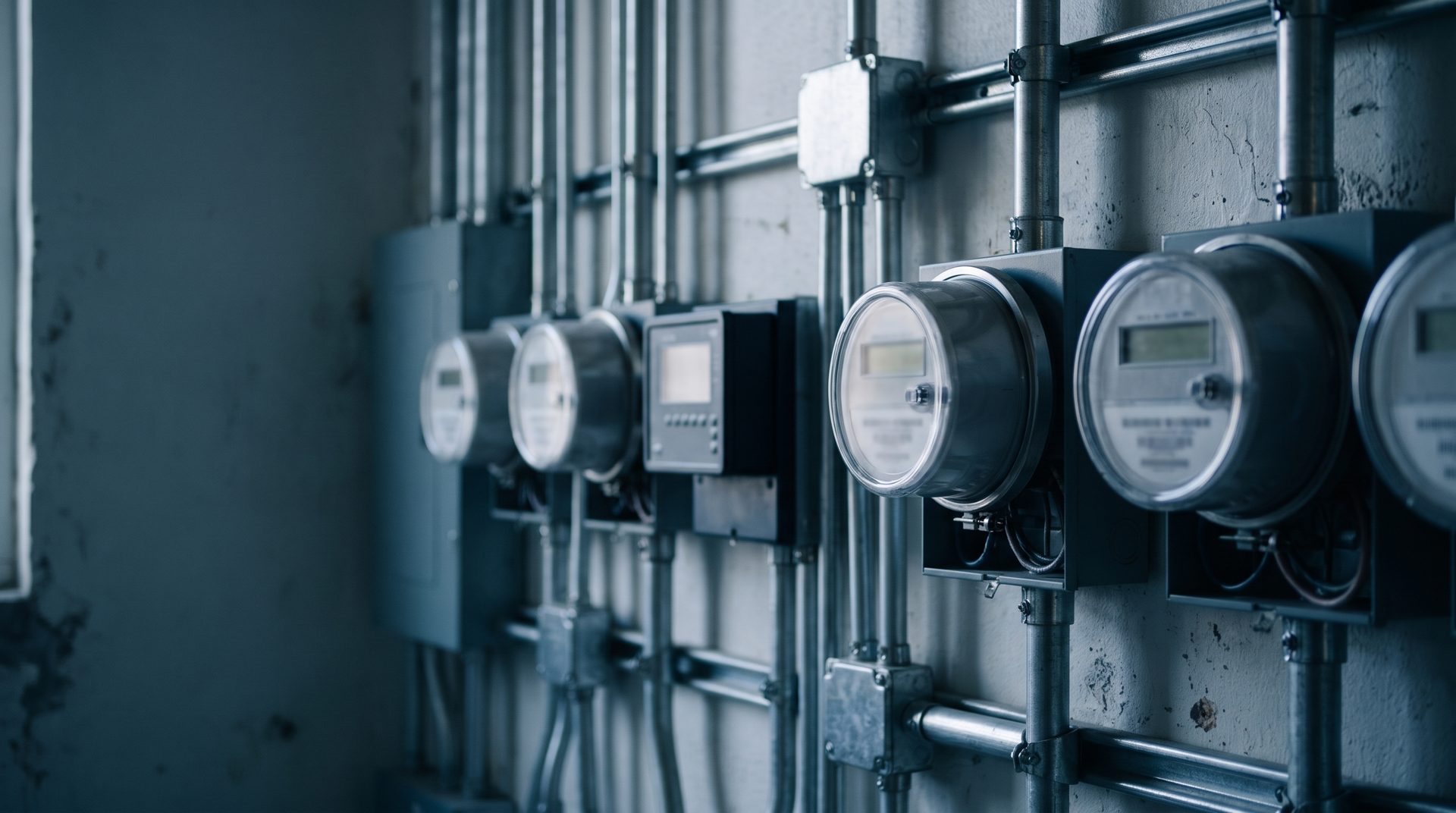
LEED v5 makes metering a prerequisite: Energy Metering and Reporting (EAp4) and Water Metering and Reporting (WEp1) require permanent meters by energy source and water source and a commitment to share the data with USGBC at least annually for five years or until the building changes ownership or lessee; for existing buildings, LEED v5 O+M requires monthly energy data for the 12-month reporting period. With increasing rigor and technical requirements, the M&V process continues to leverage new technologies and integrations in the building automation system to provide facility managers a more granular view of energy savings opportunities.